
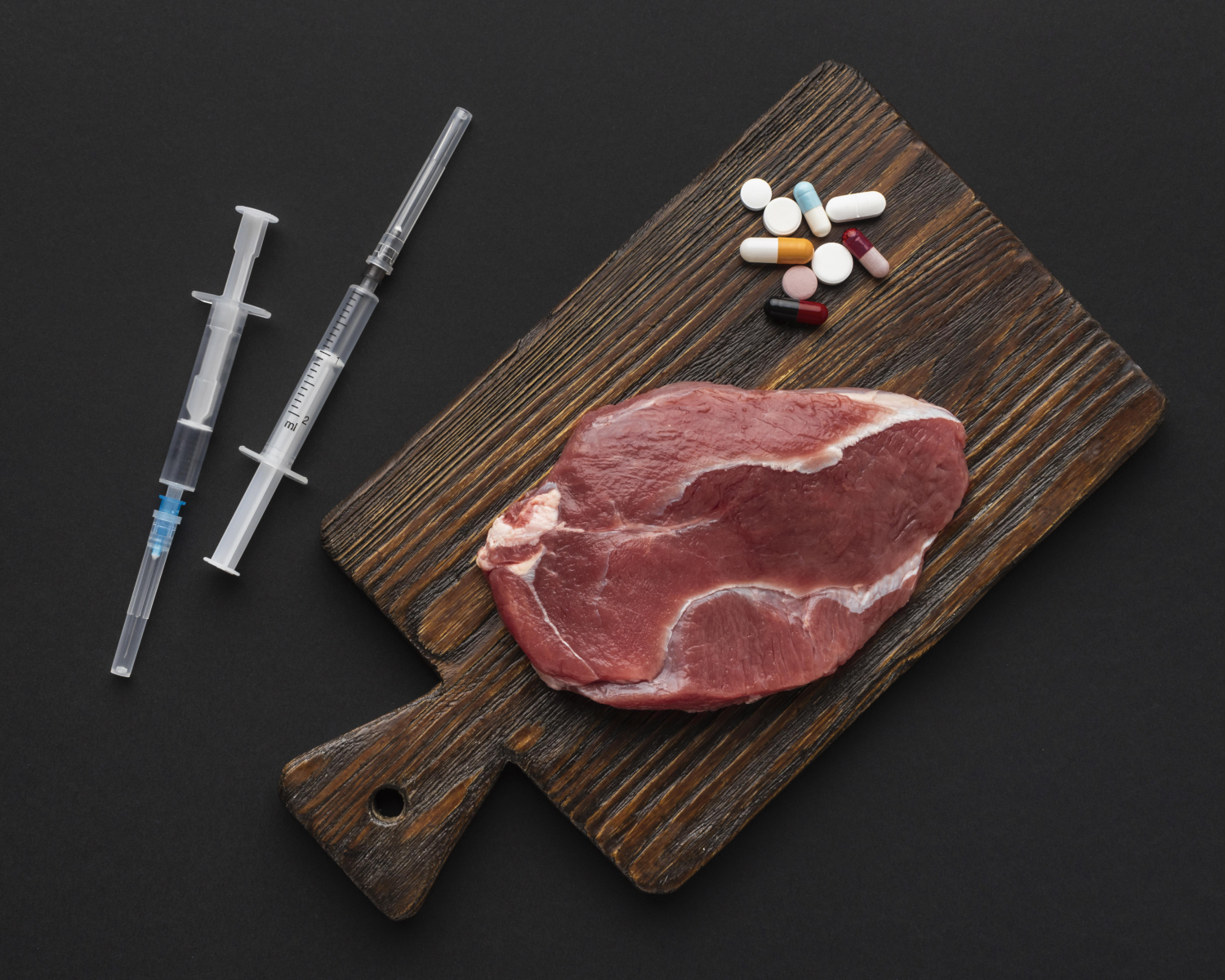
Introduction: A Hidden but Critical Risk
In modern beef production, ensuring food safety requires addressing not only visible quality defects but also hidden hazards. Among these, residual needles represent a low-frequency yet high-risk contamination. Originating from routine veterinary practices such as vaccination, antibiotic injection, and hormonal implantation, broken needles can remain embedded within muscle tissue and eventually enter the food chain.
Although such incidents are rare, their consequences can be severe. Consumers may suffer physical injury, while processors face recalls, regulatory scrutiny, and long-term brand damage.
As early as 2002, experts from the University of California Cooperative Extension, including Agricultural Extension Agents and Extension Veterinarians, published technical guidance on Foreign Object Contamination In Beef Cattle. Their work highlighted that objects such as broken injection needles, buckshot, scalpel blades, and other metallic fragments had been identified in meat during both processing and consumption. The study further emphasized that needle breakage during routine livestock treatment is a realistic risk, particularly when weakened or reused needles are applied.
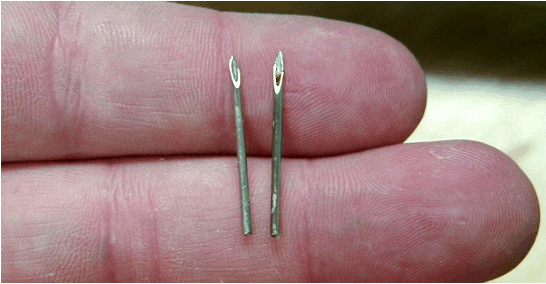
Injection Needles Found In Beef Carcasses (Image from Foreign Object Contamination In Beef Cattle)
Importantly, the experts pointed out that once a needle fragment remains in muscle tissue, it can migrate over time due to animal movement, making detection in live animals extremely difficult. In such cases, affected animals may need to be removed from standard processing channels, resulting in economic loss and operational disruption.
This early research underscores a critical conclusion that remains valid today:
residual needle contamination is preventable—but only through a combination of proper management practices and effective inspection technologies.
Techik addresses this challenge with a whole-chain inspection philosophy, combining upstream prevention with advanced downstream detection technologies to minimize the risk of residual needle contamination in beef products.
Understanding the Root Causes
Residual needle contamination does not occur randomly; it is typically the result of identifiable risk factors in livestock management and handling practices:
﹡ Needle fatigue and breakage: Reusing or bending needles weakens their structure, increasing the likelihood of fracture during injection.
﹡ Improper handling techniques: Inadequate restraint of animals during injection can lead to sudden movements and needle breakage.
﹡ Delayed detection: If a needle breaks and is not immediately retrieved, it may migrate within muscle tissue, becoming difficult or impossible to locate.
﹡ Lack of traceability: Without proper recording and marking of affected animals, contaminated carcasses may enter standard processing channels.
These risks highlight a crucial point: prevention begins at the farm, but it must be reinforced throughout the processing chain.
Techik’s Whole-Chain Safety Concept
Techik’s approach is not limited to a single detection point. Instead, it integrates multi-stage inspection systems designed to intercept contaminants at different phases of production:
1. Raw Material Inspection
At the initial stage, Techik’s X-Ray systems are deployed to inspect incoming beef carcasses or large cuts. These systems can identify high-density foreign objects such as broken needles, metal fragments, and bone residues embedded within the meat.
Using advanced imaging technology and intelligent algorithms, the system differentiates between normal anatomical structures and foreign contaminants, ensuring high detection accuracy even in complex product compositions.
2. In-Process Monitoring
During cutting, deboning, and trimming, the risk of spreading contamination increases. A broken needle embedded in one section of beef may be divided into multiple fragments during processing.
Techik provides in-line X-Ray inspection systems that operate with high precision, enabling continuous monitoring without interrupting production. These systems can detect:
● Small metallic fragments
● Needle tips and shafts
● Dense foreign objects hidden in overlapping meat layers
By identifying contaminated portions early, processors can isolate affected batches and prevent cross-contamination.
3. Finished Product Inspection
Final inspection is the last safeguard before products reach consumers. Techik’s systems are capable of inspecting a wide range of packaged beef products, including:
● Vacuum-packed fresh meat
● Frozen beef cuts
● Ground beef and processed products
Advanced image processing ensures that even small residual needles are detected, regardless of packaging type or product density.
Advantages of Techik’s Technology
Techik’s inspection systems offer several key benefits that address the unique challenges of residual needle detection:
High Sensitivity Detection
Techik’s X-Ray technology can detect extremely small metallic objects that may be missed by conventional metal detectors.
Adaptability to Complex Products
Whether dealing with bone-in cuts, fatty tissues, or overlapping layers, the system maintains consistent detection performance.
Automation and Efficiency
Fully automated inspection reduces reliance on manual checks, ensuring consistent quality while maintaining high throughput.
Data Traceability
Inspection results can be recorded and analyzed, enabling processors to trace contamination sources and improve upstream practices.
Prevention Still Matters
While advanced detection technology is essential, Techik emphasizes that inspection alone cannot eliminate risk. Effective prevention strategies must be implemented alongside detection systems:
﹡ Discard bent or damaged needles immediately
﹡ Use high-quality, single-use injection equipment
﹡ Train personnel in proper injection techniques
﹡ Maintain accurate records of treatments and incidents
﹡ Isolate and track animals with suspected needle breakage
By combining these preventive measures with Techik’s inspection solutions, producers can significantly reduce contamination risks.
Industry Impact and Compliance
Regulatory agencies worldwide increasingly emphasize food safety and foreign object control. Implementing comprehensive inspection systems helps processors:
● Meet food safety standards and audit requirements
● Reduce recall risks
● Strengthen customer confidence
● Enhance brand reputation
In export markets, particularly in regions such as North America and Europe, strict compliance requirements make advanced inspection technologies a necessity rather than an option.
Conclusion: A Systematic Approach to Safety
Residual needle contamination in beef is a complex issue that requires a systematic, whole-chain solution. From farm-level prevention to final product inspection, every stage plays a critical role in ensuring food safety.
Techik’s integrated inspection systems provide a reliable and efficient way to detect and eliminate residual needles, safeguarding both consumers and producers. By combining advanced technology with best management practices, the beef industry can move closer to achieving its ultimate goal: delivering safe, high-quality products with zero tolerance for hidden hazards.
Post time: Mar-24-2026