
In modern meat processing, food safety risks are no longer limited to microbial contamination. Increasingly, processors must address physical hazards, particularly metal contaminants such as broken injection needles. While relatively rare, these incidents represent high-severity risks due to their potential to cause injury and disrupt production operations.
One of the most challenging and under-recognized hazards in the meat industry is the presence of residual needle fragments originating from veterinary procedures.
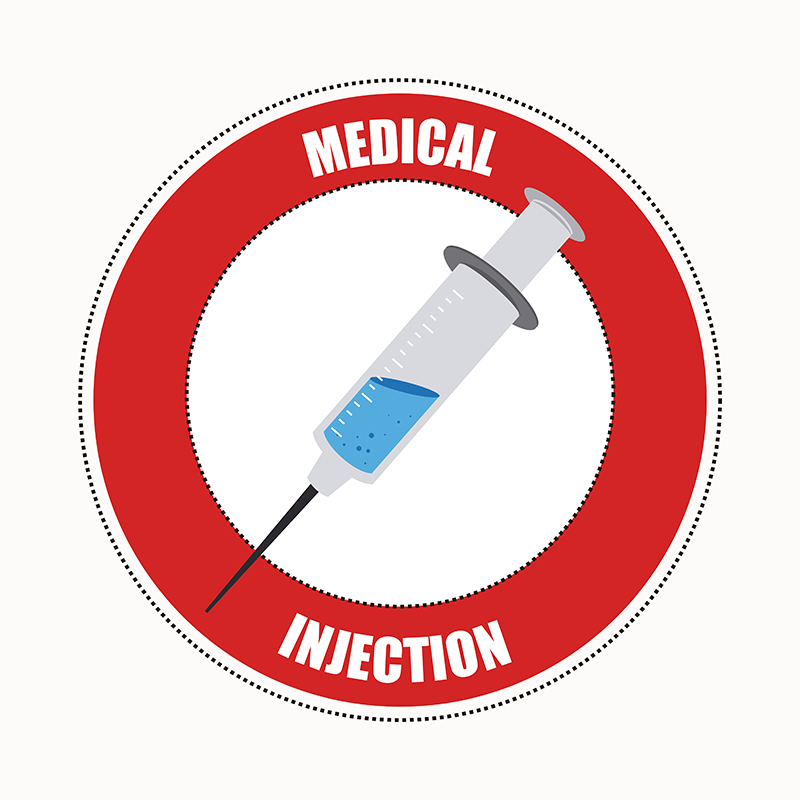
Origin of Broken Needles in Livestock
During routine animal management, injections such as vaccinations or medical treatments are commonly administered. However, animals may react unpredictably. Sudden movement or resistance during injection can result in needle breakage, leaving fragments embedded in tissue.
Unlike surface contaminants, these fragments often remain hidden within the animal’s body. Over time, they may migrate from the injection site into surrounding muscle tissues, making detection even more complex. This migration significantly increases the difficulty of identification during processing, as the original injection point may no longer correspond to the final location of the fragment.
Presence Across Multiple Processing Stages
Residual needles are not confined to a single stage of production. Instead, they can persist and appear throughout the entire processing chain:
* Whole carcasses during primary processing
* Meat cuts after deboning
* Crate-packaged bulk meat
* Carton-packed products for distribution
* Modified Atmosphere Packaged (MAP) retail products
This wide distribution risk means that undetected contaminants can move through multiple stages and ultimately reach the consumer.
Risks and Operational Impacts
The presence of needle fragments in meat products introduces several serious consequences:
1. Consumer Safety Risk
Sharp metal fragments pose a direct hazard to consumers. Ingestion can lead to:
* Oral injuries
* Internal damage
* Choking risks
2. Brand and Regulatory Consequences
Food safety incidents involving foreign objects can result in:
* Product recalls
* Regulatory scrutiny
* Loss of consumer trust
3. Equipment Damage and Downtime
Metal fragments can also damage downstream processing equipment, including:
* Cutting blades
* Grinders
* Packaging systems
Such damage often leads to unexpected production downtime, increasing operational costs and reducing efficiency.
Limitations of Traditional Detection Methods
Conventional metal detectors have long been used in food processing. However, they present several limitations in this context:
* Difficulty detecting small fragments in dense meat products
* Reduced sensitivity in wet or conductive environments
* Limited effectiveness for irregularly shaped contaminants
These constraints make it difficult to reliably identify small, embedded needle fragments, particularly in bulk or packaged meat.
Techik X-Ray Solution for Residual Needle Detection
Advanced X-ray inspection systems , such as those developed by Techik, offer a more robust solution. Unlike traditional detection technologies, X-ray systems analyze density differences, enabling them to detect:
* Small metal fragments embedded deep within meat
* Irregularly shaped contaminants
* Objects within packaged or bulk products
Techik’s X-ray systems are designed to operate across multiple processing stages, providing comprehensive coverage from raw materials to finished goods.
Advantages of X-Ray Inspection
* High detection sensitivity for small metal fragments
* Non-invasive inspection, preserving product integrity
* Adaptability to various packaging formats, including MAP
* Reduced false rejects, improving yield
Conclusion
Residual needle contamination, while uncommon, represents a high-risk, high-impact hazard in meat processing. Its unpredictable nature and potential migration within tissue make it particularly challenging to detect.
By implementing advanced X-ray inspection systems, processors can significantly enhance their ability to identify and remove such contaminants. This not only protects consumers but also safeguards equipment, reduces downtime, and strengthens overall food safety compliance.
Post time: Mar-20-2026